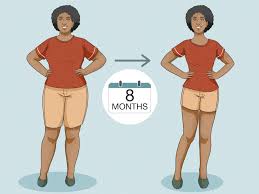
Many people start trying to lose weight and find it a bit tricky. It’s easy to feel overwhelmed by all the information out there. What works for one person might not work for another, and that’s okay!
This can make figuring out the best weight loss problem solution seem like a puzzle. But don’t worry, we’re going to break it down into simple steps. Let’s look at what really helps and how you can find what’s right for you.
Get ready to see how straightforward it can be.
Key Takeaways
- Understand the basic science behind weight loss.
- Learn how diet and exercise work together.
- Discover simple changes for lasting results.
- Identify common obstacles and how to overcome them.
- Find motivation to stick with your plan.
Understanding Your Weight Loss Problem Solution
Figuring out a weight loss problem solution involves knowing how your body uses energy. When you eat food, it provides calories, which are energy for your body. Your body burns these calories through daily activities, exercise, and even just breathing.
If you eat more calories than your body burns, the extra calories are stored as fat. This is a fundamental concept in weight management. For beginners, this might seem obvious, but understanding the balance is key.
It’s not about quick fixes; it’s about creating a sustainable way to manage your body’s energy intake and output. This section will help clarify the core ideas so you can build a solid plan.
Calories In Versus Calories Out
The idea of “calories in versus calories out” is central to losing weight. Calories are units of energy. Calories in are the energy you get from food and drinks.
Calories out are the energy your body uses for everything it does. This includes basic functions like breathing and digestion, plus physical activity. When you consume more calories than you burn, your body stores the excess energy, usually as fat.
To lose weight, you need to create a calorie deficit, meaning you burn more calories than you consume. This sounds simple, but it’s where many people face challenges.
For example, a small candy bar might have 200 calories. To burn those 200 calories through exercise, you might need to walk briskly for about 30-40 minutes. This shows how quickly calories can add up.
Making small changes to what you eat can have a big impact on your calorie intake without feeling deprived.
- Calorie Deficit Explained: This means consuming fewer calories than your body needs to maintain its current weight.
- When you create a calorie deficit, your body starts using stored fat for energy.
- This deficit doesn’t have to be huge. Even a moderate deficit can lead to gradual, sustainable weight loss.
- Small, consistent changes are more effective than drastic, short-term efforts.
The Role of Metabolism
Metabolism is the process by which your body converts what you eat and drink into energy. It involves breaking down food and releasing energy through digestion. Your metabolism affects how many calories you burn each day.
Some people naturally have a faster metabolism, meaning they burn more calories at rest. Others have a slower metabolism. Factors like age, gender, muscle mass, and genetics can influence your metabolic rate.
While you can’t completely change your genetics, you can influence your metabolism through diet and exercise.
Building muscle mass is one of the most effective ways to boost your metabolism. Muscle tissue burns more calories at rest than fat tissue. This is why strength training is often recommended for weight loss and management.
A faster metabolism means your body is more efficient at burning calories, even when you’re not actively exercising.
- Metabolism and Weight Loss: A higher metabolism burns more calories, aiding in weight loss.
- You can increase your metabolism by building muscle through strength training.
- Consuming enough protein also supports muscle growth and can slightly boost metabolism.
- Getting enough sleep and managing stress can positively impact your metabolic rate.
Finding Your Weight Loss Problem Solution Through Diet
When people think about weight loss, food often comes to mind first. What you eat significantly impacts how many calories you consume and how satisfied you feel. It’s not just about cutting out food groups; it’s about choosing nutrient-dense foods that provide energy and keep you full.
Focusing on whole, unprocessed foods can make a big difference. These foods are typically lower in calories and higher in fiber and nutrients compared to processed options. Making smart food choices is a crucial part of your weight loss problem solution.
Nutrient-Dense Foods
Nutrient-dense foods offer a lot of vitamins, minerals, and fiber for relatively few calories. These foods help you feel full and satisfied, which can prevent overeating. Examples include fruits, vegetables, lean proteins, and whole grains.
They are packed with the essential nutrients your body needs to function well. Eating a variety of these foods ensures you get a wide range of vitamins and minerals.
Imagine comparing a serving of broccoli to a serving of potato chips. The broccoli is packed with vitamins, minerals, and fiber, and is relatively low in calories. The potato chips might have similar or more calories but offer far fewer nutrients and can leave you feeling hungry sooner.
- Examples of Nutrient-Dense Foods:
- Vegetables: Leafy greens like spinach and kale, broccoli, carrots, bell peppers.
- Fruits: Berries, apples, bananas, oranges.
- Lean Proteins: Chicken breast, fish, beans, lentils, tofu.
- Whole Grains: Oats, quinoa, brown rice, whole wheat bread.
Portion Control
Even healthy foods have calories. Portion control is about being aware of how much you’re eating. Using smaller plates, measuring out servings, and paying attention to hunger cues can help you manage your intake.
Overeating, even with healthy foods, can prevent you from reaching your calorie deficit goal. Learning to recognize appropriate portion sizes is a simple yet powerful tool for weight loss.
A common scenario is serving yourself a large bowl of pasta. Even if it’s whole wheat pasta with a healthy sauce, a very large portion can add a lot of calories. By measuring out one serving, you ensure you’re staying within your calorie goals.
This doesn’t mean you can never enjoy larger portions of certain foods, but being mindful is key.
- Tips for Portion Control:
- Use smaller plates and bowls to make portions look larger.
- Measure out servings of calorie-dense foods like rice, pasta, and nuts.
- Read nutrition labels to understand standard serving sizes.
- Eat slowly and mindfully to allow your brain to register fullness.
Hydration
Drinking enough water is surprisingly important for weight loss. Water has zero calories and can help you feel full, which may reduce overall calorie intake. Sometimes, thirst can be mistaken for hunger.
Staying hydrated is also vital for many bodily functions, including metabolism. Aim to drink plenty of water throughout the day.
If you feel hungry between meals, try drinking a glass of water first. You might find that your hunger subsides. This simple step can help you avoid unnecessary snacking and keep your calorie intake down.
Proper hydration also helps your body process nutrients efficiently and supports exercise performance.
- Water’s Role in Weight Loss:
- Drinking water before meals can help you eat less.
- It can boost your metabolism slightly.
- It helps your body function optimally, supporting fat burning.
- Carry a reusable water bottle to sip throughout the day.
Leveraging Exercise for Your Weight Loss Solution
While diet plays a huge role, exercise is the other major pillar for a successful weight loss problem solution. Exercise burns calories, builds muscle, and offers numerous health benefits beyond just weight management. Combining different types of exercise can lead to the best results.
It’s about finding activities you enjoy so you can stick with them long-term. Consistency is more important than intensity when you’re starting out.
Cardiovascular Exercise
Cardiovascular exercise, often called cardio, is any activity that gets your heart rate up and increases your breathing. This type of exercise is excellent for burning calories and improving heart health. Activities like walking, running, swimming, cycling, and dancing all fall into this category.
Aim for at least 150 minutes of moderate-intensity cardio or 75 minutes of vigorous-intensity cardio per week, as recommended by health guidelines.
A brisk walk for 30 minutes can burn around 150-200 calories, depending on your speed and body weight. Running can burn even more. This calorie expenditure directly contributes to the calorie deficit needed for weight loss.
Regular cardio also strengthens your heart and lungs, improving overall fitness and energy levels.
- Benefits of Cardio:
- Burns a significant number of calories.
- Improves heart and lung health.
- Boosts mood and reduces stress.
- Increases endurance for daily activities.
- Helps manage blood sugar levels.
Strength Training
Strength training involves using weights or resistance to build muscle. As mentioned earlier, muscle tissue burns more calories than fat, even when you’re at rest. This means that by increasing your muscle mass, you can boost your metabolism and burn more calories throughout the day.
Strength training also helps improve body composition, making you look leaner and more toned.
If you lift weights for 30 minutes, you might burn around 100-200 calories during the workout. However, the real benefit comes from the “afterburn effect,” where your body continues to burn extra calories for hours or even days to repair and build muscle. This makes strength training a powerful tool for long-term weight management.
- Why Strength Training Matters:
- Builds muscle, which increases resting metabolism.
- Improves body composition (more muscle, less fat).
- Strengthens bones and reduces the risk of osteoporosis.
- Enhances functional strength for everyday tasks.
- Can help prevent injuries by strengthening joints and connective tissues.
Consistency and Enjoyment
The most effective exercise plan is one you can stick with. If you hate running, don’t force yourself to do it. Find activities you genuinely enjoy, whether it’s dancing, hiking, swimming, or playing a sport.
Consistency is key for both diet and exercise. Making exercise a regular part of your routine, rather than a sporadic event, will yield the best long-term results.
A common pitfall is starting an intense workout program only to quit after a few weeks because it’s too hard or not enjoyable. Instead, start with what feels manageable and gradually increase the intensity or duration. For instance, if you’re new to exercise, begin with short walks and add a few minutes each week.
Or try a beginner’s yoga class. The goal is to build a habit that lasts a lifetime.
- Making Exercise Sustainable:
- Choose activities you look forward to doing.
- Start small and gradually increase intensity and duration.
- Find an exercise buddy for accountability and fun.
- Vary your workouts to prevent boredom and work different muscle groups.
- Listen to your body and allow for rest and recovery.
Common Myths Debunked
Myth 1: You Must Cut Out All Your Favorite Foods
This is a common misconception that leads many people to feel deprived and give up on their weight loss goals. The truth is, you don’t need to eliminate all your favorite foods to lose weight. The key is moderation and balance.
Allowing yourself to enjoy treats in small portions on occasion can actually make your diet more sustainable and prevent cravings that can lead to binge eating. Focusing on a weight loss problem solution that includes flexibility is more effective than rigid restriction.
Myth 2: Eating After 7 PM Makes You Fat
The time of day you eat is far less important than the total number of calories you consume throughout the entire day. Your body doesn’t magically start storing more fat simply because it’s evening. If you eat late at night, it’s often because you’re hungry or bored, and if those calories put you over your daily limit, they can contribute to weight gain.
However, eating a balanced, healthy meal before bed won’t automatically make you gain weight if it fits within your overall calorie needs.
Myth 3: Carbs Are Bad and Should Be Avoided
Carbohydrates are an essential source of energy for your body. The problem isn’t carbs themselves, but rather the type and quantity of carbs you consume. Refined carbohydrates, like white bread and sugary snacks, can cause rapid blood sugar spikes and are often low in nutrients.
However, complex carbohydrates found in whole grains, fruits, vegetables, and legumes are rich in fiber and nutrients, providing sustained energy and helping you feel full. A balanced diet includes healthy sources of carbohydrates as part of a comprehensive weight loss problem solution.
Myth 4: You Need Intense Workouts for Results
While intense workouts can burn a lot of calories, they are not the only way to achieve weight loss. Consistency with moderate exercise, combined with a healthy diet, can be very effective. For beginners, it’s crucial to start with manageable workouts to build a foundation and avoid injury.
Over time, you can gradually increase the intensity. The most important factor is regular physical activity that you can maintain over the long term.
Frequently Asked Questions
Question: How quickly can I expect to lose weight?
Answer: Healthy weight loss is typically 1-2 pounds per week. Faster loss is often not sustainable and can be unhealthy. It depends on your starting weight, diet, and activity level.
Question: Do I need to count calories to lose weight?
Answer: Counting calories can be very helpful for understanding your intake and creating a deficit, but it’s not always necessary. Focusing on portion sizes and nutrient-dense foods can also be effective for many people.
Question: What’s the best time of day to exercise?
Answer: The best time to exercise is whenever you can consistently do it. Some people prefer mornings to get it done, while others prefer evenings. Find what works best for your schedule and energy levels.
Question: Can I eat out at restaurants and still lose weight?
Answer: Yes, you can! Be mindful of portion sizes, choose grilled or baked options over fried, and ask for sauces on the side. Many restaurants now offer healthier choices.
Question: How can I stay motivated?
Answer: Set realistic goals, track your progress, reward yourself for milestones, find a workout buddy, and remember why you started. Focus on how much better you feel, not just the number on the scale.
Conclusion
Finding your weight loss problem solution is about making smart, consistent choices. Focus on eating whole, nutrient-rich foods and controlling your portions. Combine this with regular physical activity, including both cardio and strength training.
Remember that small, sustainable changes lead to lasting results. Stay hydrated, get enough sleep, and be patient with yourself. You have the power to achieve your health goals with the right approach.
Leave a Reply